

The best captain pick is not automatically the most famous player. It is the player whose matchday role creates the strongest combination of floor and ceiling. The method below starts with expected involvement, then adjusts for venue, opponent, toss, contest format and the quality of information available before lock.
Start with opportunity, not reputation
Captain selection begins with a simple question: how many meaningful scoring events can this player realistically access? A top-three batter can face a large share of the innings. A new-ball bowler can attack fresh batters while a death bowler can earn wickets when opponents take risks. A genuine all-rounder can contribute in both innings. Those routes are more useful than a player's headline popularity.
Separate a player's usual reputation from the role shown for this match. A celebrated batter returning from injury, listed lower than normal or facing an unfavourable phase may carry less opportunity than a less famous opener. Similarly, an all-rounder is only a strong multiplier candidate when the probable XI and recent usage suggest both disciplines are active.
Use the Focus11 fantasy cricket hub as the starting point for role-based team building, then treat the captain decision as a final layer rather than the first name added to the squad.
Score role security across batting, bowling and fielding
Build a short captain list and score each candidate for role security. For batters, check likely position, recent movement in the order and whether the player is likely to face pace or spin in the phase that suits them. For bowlers, check new-ball access, middle-overs control, death-over responsibility and whether the captain has alternative options who could reduce the expected quota.
Wicketkeepers gain another route through catches, stumpings and run-outs, but fielding points should support a case rather than create it. The strongest profiles usually combine a stable primary role with a second way to score. An opener who also keeps wicket or an all-rounder trusted for four overs has more resilience than a specialist whose points depend on one narrow event.
A practical rating uses three labels: secure, conditional and fragile. Secure means the role is very likely in the announced XI. Conditional means the opportunity depends on game state. Fragile means one tactical change can remove most of the expected involvement. Small-league multipliers should come mainly from the secure group.
Match the skill set to venue, pitch and innings phase
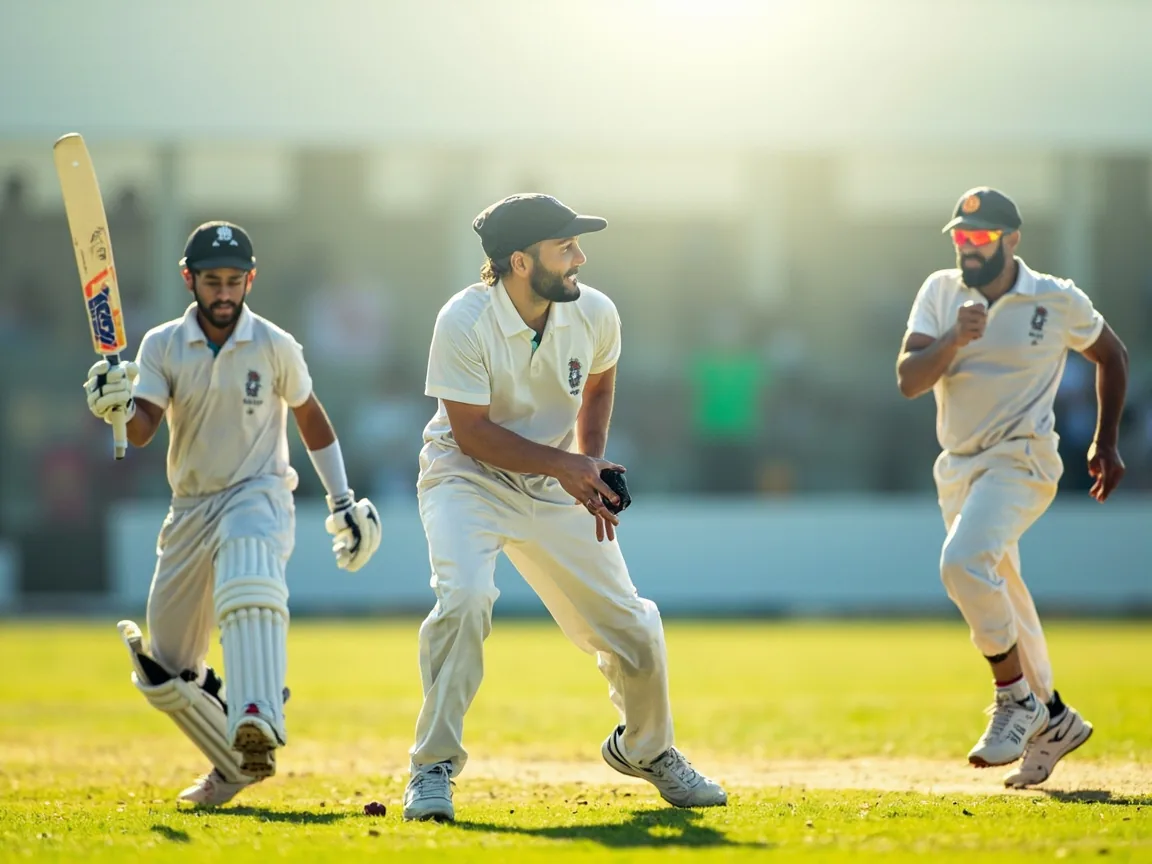
Venue and conditions determine whether a secure role is also a valuable role. On a surface offering early movement, top-order batting carries extra dismissal risk while powerplay seamers gain wicket potential. On a slow pitch, batters who rotate strike and bowlers with pace variation can become better multiplier options. On a small ground, boundary hitters gain ceiling, but death bowlers can also collect wickets despite conceding runs.
Weather matters because a shortened match concentrates opportunity. Openers and powerplay bowlers often gain importance when overs are reduced, while players who depend on late-innings volume may lose it. Dew can weaken grip for some spinners and improve chasing conditions, though this should be treated as a probability adjustment rather than a guarantee.
Do not use a generic venue label without checking the current match. The same stadium can offer different surfaces. Give more weight to the pitch report, boundary dimensions, recent matches on the strip and confirmed team plans than to a season-long average taken out of context.
Change the multiplier plan by contest type
Small leagues reward consistency. The aim is not to discover the lowest-owned player; it is to avoid a multiplier with a weak role while still retaining enough upside to lead the lineup. A secure opener, active all-rounder or strike bowler with a full quota is usually easier to defend than a finisher who might face only eight deliveries.
Grand leagues require a different balance. A lower-owned captain can be justified when the role-based ceiling is real and the field may be overlooking it. Examples include a promoted batter after a team change, a powerplay bowler against a vulnerable top order or a spin-bowling all-rounder on a used surface. Being unusual is not enough; the pick needs a plausible path to becoming the match's highest scorer.
In multi-entry play, vary one assumption at a time. Do not create several teams that are different everywhere and impossible to evaluate. One lineup can express the safe game script, another a bowling-dominant script, and another a chase led by the second team's top order.

Use the vice-captain as a complementary risk control
The vice-captain should not be an afterthought. It earns an enhanced multiplier and can stabilise a captain choice by adding a different scoring route. If the captain is a top-order batter, a new-ball or death bowler can reduce dependence on one innings. If the captain is an all-rounder whose batting role is uncertain, pair with a role-secure opener or wicketkeeper.
Correlation can still be useful. Two top-order batters from the chasing side may succeed together when conditions favour batting, while a bowler and wicketkeeper from the same team can combine through edges and catches. The key is to know whether the pair benefits from the same match script or whether one player's success directly reduces the other's opportunity.
Avoid captain and vice-captain combinations driven only by projected ownership. Ownership estimates can be wrong. Role, ceiling and game-script fit remain the evidence; ownership merely tells you how the result may affect rank.
Use recent form as context, not a shortcut
Recent scores help identify rhythm and role changes, but a fantasy score is an outcome, not an explanation. Inspect how the points were produced. A batter may have scored well after being dropped early, while a bowler's haul may have come from late wickets after an otherwise poor spell. Conversely, several low scores can hide a stable role and improving conditions.
Look for repeatable inputs: balls faced, batting position, overs bowled by phase, set-piece fielding role and team selection. Do not add a handful of recent scores and treat the total as a forecast. Samples are small, opponents change and match situations differ.
When reliable information is unavailable, reduce confidence rather than inventing precision. A disciplined captain model can finish with two similarly rated options; the contest type can break the tie without pretending one projection is certain.
Recheck everything after the toss and final XI
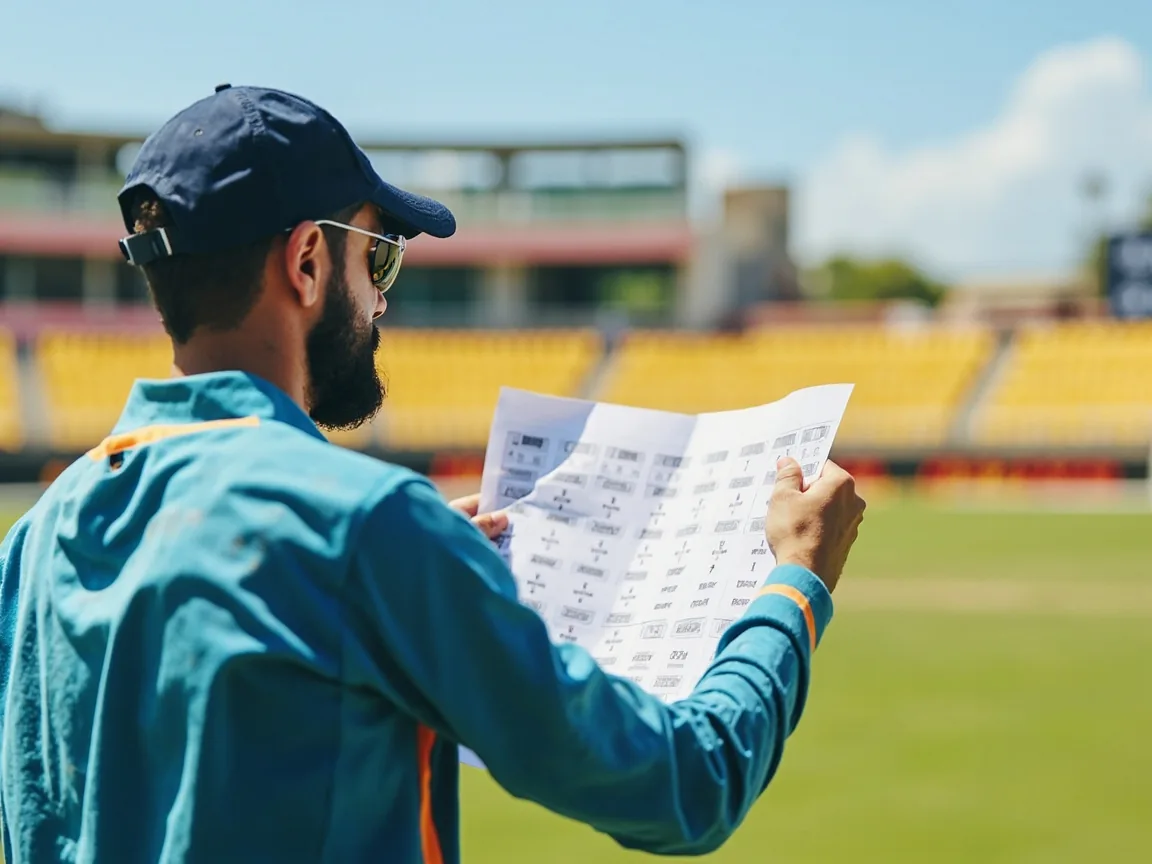
The toss is valuable only when it changes the information set. Confirm that every selected player is in the announced XI and review any substitute designation that may affect actual involvement. Then update batting-order expectations, likely bowling phases and the impact of chasing or defending under the reported conditions.
Make a captain change when new evidence invalidates the original thesis. A batter moved down the order, a bowler losing a specialist partner, an unexpected extra spinner or a rain-reduced match can materially alter opportunity. Do not change merely because the broadcast highlights another player; late emotion is not new evidence.
Keep a written pre-lock note with the captain thesis in one sentence. For example: “Opens, keeps wicket and faces the weaker new-ball attack.” If that sentence remains true after the toss, the pick is still coherent. If it no longer holds, switch to the next candidate.
The seven-step Focus11 captain workflow
First, remove players not confirmed in the XI. Second, rank the remaining candidates by expected involvement. Third, flag role changes since the previous match. Fourth, adjust for pitch, boundaries, weather and innings phase. Fifth, choose the contest objective: stability for a small league or calculated upside for a grand league.
Sixth, pair the captain with a vice-captain offering either complementary scoring or deliberate correlation. Seventh, run a final failure test: what realistic event removes this player's opportunity? If the answer is “one early dismissal” and there is no second scoring route, the multiplier may be fragile. If the player can still score through bowling, keeping or repeated phase access, the selection has stronger resilience.
Record the reason, not just the name. Over several matchdays, reviewing those reasons reveals whether errors came from poor information, a weak role assumption or normal variance. That feedback loop improves future decisions without encouraging result-chasing.
Build your Focus11 team with a clear multiplier plan
Confirm the XI, compare roles and choose captain and vice-captain before the contest locks.
Frequently asked questions about fantasy cricket captain picks
Who is the safest fantasy cricket captain for small leagues?
The safest small-league captain is usually the player with the clearest route to repeated involvement: a top-three batter expected to face balls, a genuine all-rounder with both batting and bowling work, or a strike bowler whose full quota is secure. Confirm the final XI and role before lock; reputation alone is not enough.
Should I always captain an all-rounder on Focus11?
No. All-rounders offer two scoring routes, but only when both roles are active. A nominal all-rounder batting at eight and bowling one over can be less reliable than an opener or a four-over bowler. Select the actual matchday role, not the label beside the player's name.
How should captain picks differ between small and grand leagues?
Small leagues generally favour high-involvement, role-secure players because the goal is to beat a limited field consistently. Grand leagues can justify a lower-owned alternative when the upside case is clear, such as a promoted batter, a powerplay bowler in helpful conditions, or a finisher expected to receive more deliveries.
When should I change my captain after the toss?
Change only when the toss or team sheet materially changes opportunity. Examples include an opener moving down the order, a bowler being replaced, dew altering the bowling plan, or a substitute rule affecting the likely XI. Avoid changing simply because a television panel mentions another star player.
Can captain and vice-captain come from the same team?
Yes. If one team has a strong match-up and two players own the clearest roles, pairing them can be logical. The vice-captain should still provide a different route to points where possible, such as combining a top-order batter with a new-ball or death bowler.
What is the final check before a fantasy contest locks?
Verify the announced XI, batting position clues, bowling allocation, venue and weather, then confirm that your captain has at least two realistic paths to a ceiling score. Also recheck the contest type, because a sound small-league captain is not automatically the best high-variance grand-league choice.