
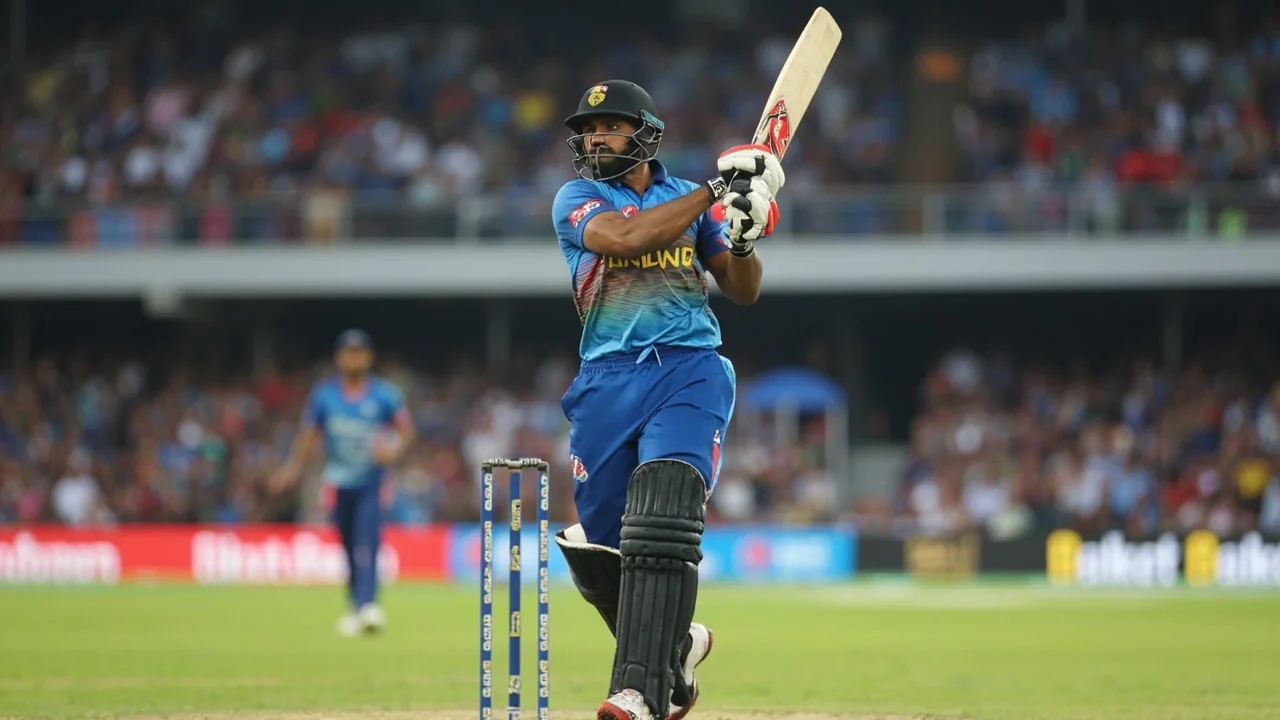
Eighteen balls, four boundaries, four sixes and a record that previously did not exist in international cricket. Vaibhav Sooryavanshi reached his maiden T20I half-century for India against Zimbabwe in Harare on 23 July 2026, doing it fast enough to mark the occasion, and young enough to reset the conversation around Indian youth batting for the rest of the tour.
· Focus11 News Desk
The verified numbers behind the fifty
The headline figures from the innings are short, clean and easy to verify. Sooryavanshi reached fifty off 18 deliveries. He struck four fours and four sixes in the course of that knock. He did it at Harare Sports Club, against a Zimbabwe attack that bowled with discipline early but could not contain the boundary-hitting once the teenager got going. Business Standard reported after the match that, at 15 years and 118 days, he became the youngest player in international cricket history to score a T20I fifty.
Those numbers matter because they describe a specific kind of innings, not just a fast one. An 18-ball fifty with eight boundary hits carries a strike rate of 277 in the phase leading to the milestone. For comparison, an average T20I fifty is struck in the high 130s; a powerplay anchor's fifty is struck in the 150s. Sooryavanshi sat roughly twice the strike rate of a typical half-century, and three times the strike rate of a top-order accumulator. The match scorecard reflects a player who treats the first six overs as his scoring window rather than his safety window.
The age detail deserves a separate paragraph. Fifteen years and 118 days is not a minor adjustment to the previous record. It places the achievement in a window that cricket calendars rarely recognise: the gap between junior cricket and senior international cricket. Most players who break youngest-record markers do so at 17 or 18, after a season or two of domestic exposure. Doing it at 15, in his first senior tour innings, against a full ICC-member attack, is the kind of detail that turns a fifty into a story.
What the boundary distribution tells us
The eight scoring shots were not placed randomly. Four fours and four sixes against an associate-quality attack on a high-scoring ground suggests a clear hitting plan. The most common scoring zones for an innings of this profile are square of the wicket on the off side, over cover and over midwicket. The fours do the anchor work and rotate the strike; the sixes apply the scoreboard pressure that forces a captain to change his bowling plan.
A practical reading of that distribution: the batter is comfortable against both pace and spin at this level, picks the length early, and is not restricted to one side of the ground. Boundary hitting in eight different directions across 18 balls is rare even in franchise cricket. The Harare innings was not a cameo against weak bowling; it was an innings built on ball selection.
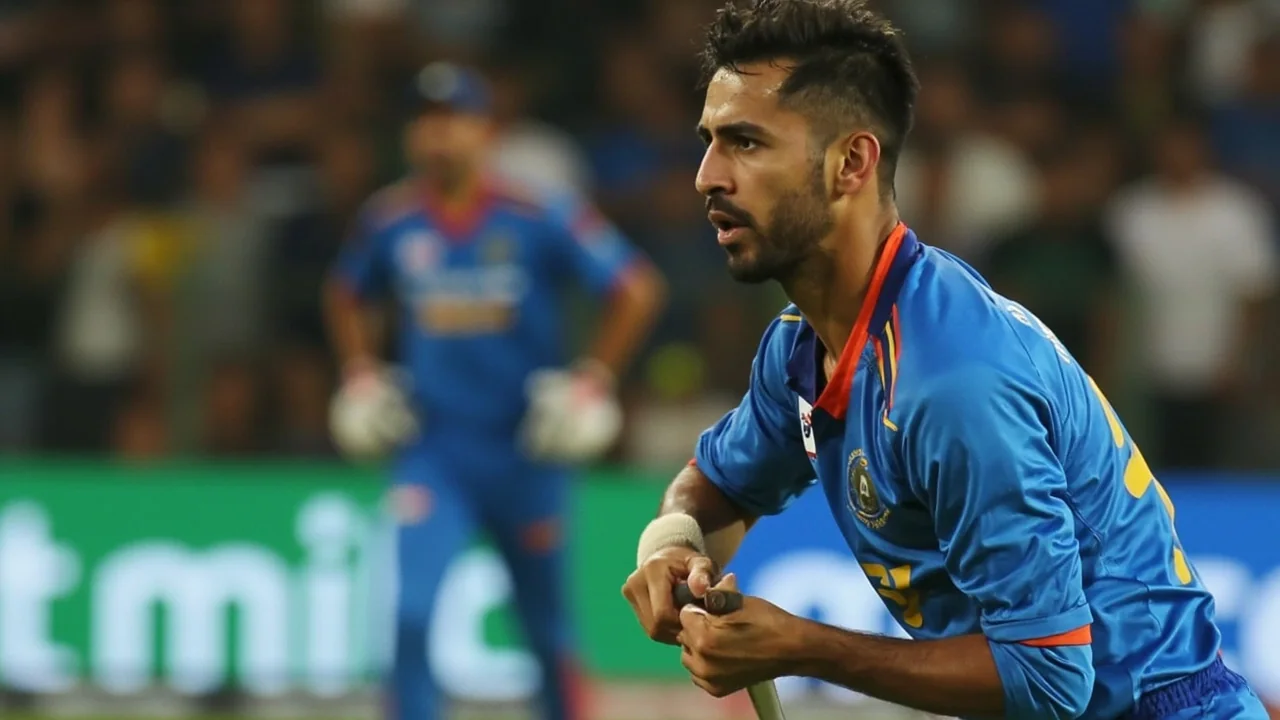
Boundary rate is also the metric most fantasy platforms price into a young batter's ceiling. A powerplay-heavy boundary hitter will accumulate bonus points faster than a middle-overs anchor, even if the overall score is lower. Sooryavanshi's profile translates cleanly into a fantasy asset. The constraint is that international T20Is are not part of the Focus11 contest catalogue, which covers franchise and domestic T20 cricket played in India. The signal still matters because it confirms the underlying skill set that will eventually produce runs in the formats where Focus11 contests exist.
Reading the record in context
Records that combine youth and strike rate are often revised within months because the underlying skill is reproducible. A 19-year-old who breaks a youngest-fifty record is interesting; a 15-year-old who does it on debut is a different category. The previous youngest T20I fifty belonged to a player who achieved it as part of a multi-year pathway. Sooryavanshi's path, compressed into a single innings, suggests that the threshold for international selection has shifted inside Indian cricket's age-group structure.
Context shapes interpretation, though. Zimbabwe in Harare in July is not Australia in Sydney in January. The pitch, opposition, ball condition and match situation all influence the boundary count. A fifty in 18 balls at home against the strongest attack in the world would be an outlier statistic; a fifty in 18 balls on a flat Harare surface against a developing bowling unit is an excellent innings without resetting the global ceiling for T20I batting. The honest reading sits between the two extremes.
What cannot be disputed is the timing. The fifty arrives in the middle of India's white-ball reset, with the next generation of batters being evaluated across formats. Sooryavanshi's innings in Harare is the kind of audition that buys a player not just selection but a defined role. A top-order role at international level becomes much easier to defend when the match the player won was decided by his powerplay hitting.
What it tells fantasy managers about young batters generally
Focus11 contests do not feature international T20Is, but the underlying inputs to a young batter's fantasy value are visible in any innings. The first is boundary rate per powerplay over. The second is the share of balls faced in the first six overs. The third is dismissal pattern against pace versus spin. The fourth is intent against slower bowlers in middle overs, because that is where young batters tend to lose momentum. An innings like Sooryavanshi's ticks every one of those boxes.
For a fantasy manager, the practical takeaway is to weight boundary-heavy young openers above reputation when evaluating them for the Focus11 board. A teenage opener who strikes at 180 in the powerplay has a higher ceiling than a senior opener who strikes at 130, even if the senior player's average is more consistent. The reason is simple: boundary bonuses and strike-rate multipliers accumulate in the overs that fantasy contests reward most.
The second takeaway is to watch how franchises use these batters. A teenager who opens in a domestic T20 league will carry fantasy value; a teenager who is sent in at number six will carry less. Role, more than talent, decides whether the powerplay output translates into Fantasy XI points. Sooryavanshi's next domestic assignment, and the franchise team that retains him, will shape his fantasy ceiling as much as the 18-ball fifty itself.
Pre-match checklist for teenage prospects on Focus11
One: confirm batting position. Number one or number two carries more boundary opportunities than number four or five. Two: confirm role. Is the batter opening or coming in after a powerplay anchor? Three: check the venue. Smaller grounds reward aerial hitting. Four: compare first-six-overs strike rate with career strike rate. A wide gap signals powerplay intent. Five: confirm franchise retention or release status for the upcoming season. Six: track ownership in early contests, because cheap low-owned boundary hitters often become differentials.
For Sooryavanshi specifically, the immediate follow-up is the rest of India's T20I tour of Zimbabwe. Whether the senior management continues to use him in the powerplay or moves him down the order will signal how they read the Harare innings. A second fifty in the series would move him from a story to a selection. A quiet second innings would push him back to the queue behind the established openers. The single most important data point from Harare is therefore the next one, not the one already on the scorecard.
What to watch next
Three things will matter most over the next fortnight. First, India's remaining T20Is in Zimbabwe, which will show whether the Harare knock was a one-off burst or the start of a defined role. Second, the domestic retention lists that close before the next T20 season, which will determine whether Sooryavanshi enters the auction or returns to his existing franchise with a defined top-order role. Third, his performance in any India A fixtures before the senior international schedule moves to a harder phase of the calendar.
For fantasy managers tracking the Focus11 board, none of those three steps change today's contest decisions. They do, however, change the watchlist for the next auction cycle. An 18-ball fifty at 15 years and 118 days is the kind of data point that justifies pre-auction research, not mid-contest selection.
Stay ahead of the next cricket milestone
Focus11 news desk tracks every match signal that can reshape a Fantasy XI. Read the latest match-day notes before locking your team.
Frequently asked questions
How many balls did Vaibhav Sooryavanshi take to reach his maiden T20I fifty?
Sooryavanshi reached his maiden T20I half-century off 18 deliveries during India's match against Zimbabwe in Harare on 23 July 2026. The innings featured four boundaries and four sixes.
How old was Sooryavanshi when he scored the fifty?
He was 15 years and 118 days old, which made him the youngest player in international cricket history to score a T20I fifty.
Where did the fifty come in the batting order?
He batted in the top order during India's chase in Harare, taking advantage of the early field restrictions and using a high percentage of balls at the square boundary and over the leg side.
Is Sooryavanshi eligible for Focus11 fantasy contests?
International T20I fixtures are not part of the Focus11 contest catalogue. The Focus11 board covers franchise and domestic T20 cricket played in India. Watch his domestic and franchise form for Fantasy XI relevance.
Why does the 18-ball fifty matter for fantasy managers?
Strike rate, boundary frequency and early-over hitting are the inputs that decide a young batter's fantasy ceiling. An 18-ball fifty signals powerplay aggression that fantasy platforms reward through boundary bonuses and strike-rate multipliers.
What should fantasy managers watch next?
His next domestic assignment, the franchise team that retains him, and how India's senior team uses him in the remaining T20I fixtures of the 2026 tour. Each appearance changes his role, batting slot and ceiling.
Sources: Business Standard match report; ESPNcricinfo scorecard index; BCCI international fixtures.